



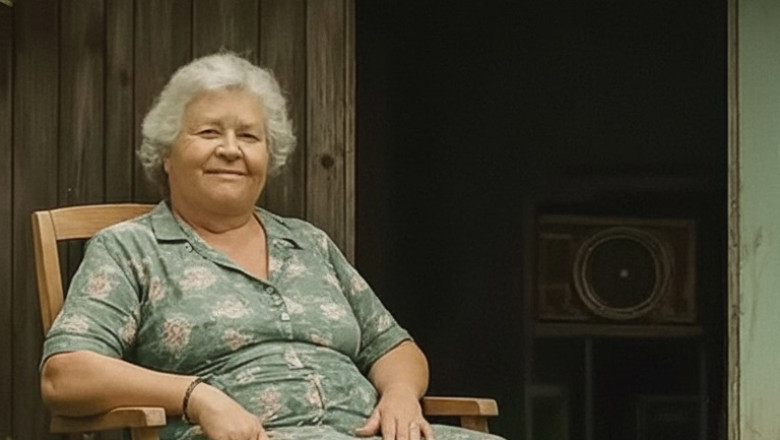

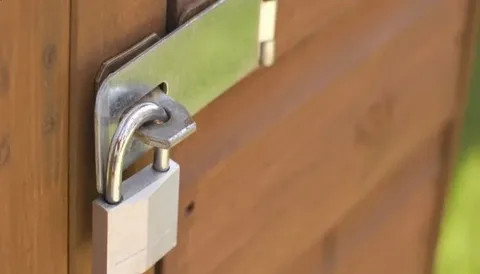
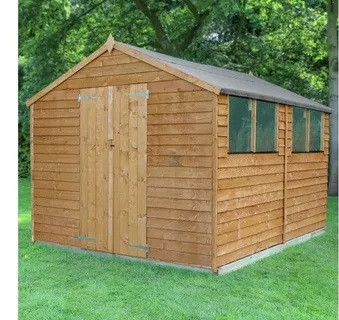
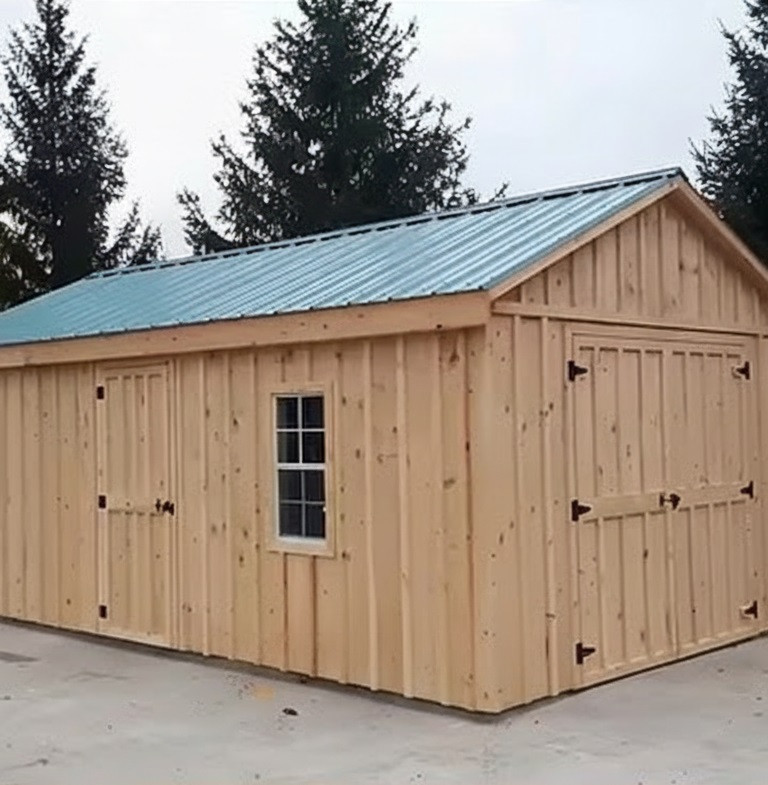
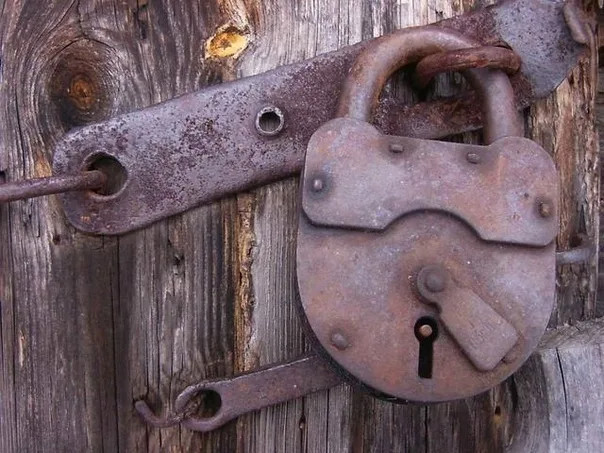
Grandma Mabel was the kind of woman who baked cookies for every neighborhood kid, remembered every birthday, and always had a warm hug ready. But beneath that gentle exterior lay an unyielding rule: no one, not even her own family, was allowed within ten feet of the weathered wooden shed at the edge of her backyard. The shed’s rusted lock had hung there for as long as Lily could remember, its metal surface pitted with age like a forgotten relic. Whenever Lily asked about it, Grandma would pat her hand with a tight smile, her eyes darting away. “Just old tools, sugar,” she’d say, her voice dropping to a tone that brooked no further questions. Lily never pushed, but the shed became a quiet obsession, a puzzle she ached to solve.
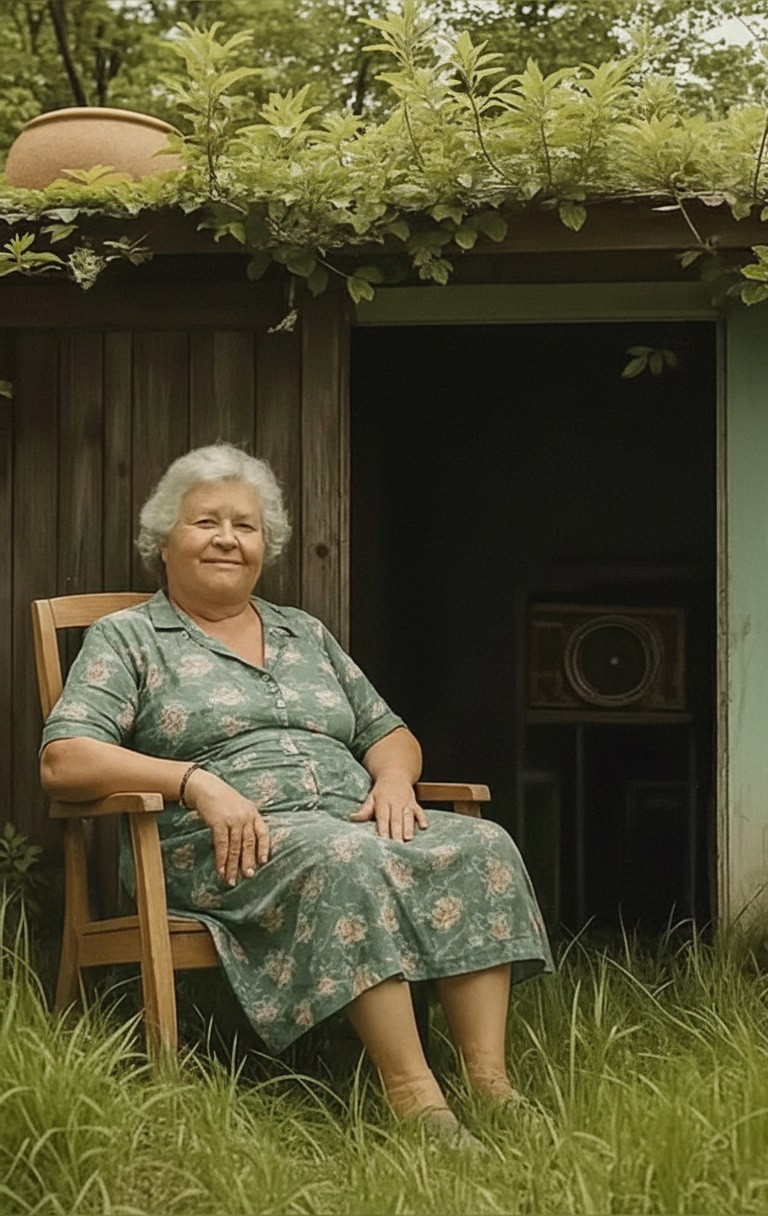
When Grandma Mabel passed away peacefully in her sleep at 90, the family gathered to sort through her belongings, their laughter tinged with tears as they shared stories of her kindness. The shed, however, remained untouched, a silent sentinel in the corner. Aunt Karen, Grandma’s oldest daughter, insisted they leave it be. “Mother was clear about that shed,” she said firmly, folding a stack of Grandma’s hand-stitched quilts. “We have no right to violate her wishes.” But Lily, now 17 and bolder than ever, couldn’t shake the curiosity that had gnawed at her for years. That night, she sat on her bed, staring at the photo of Grandma on her nightstand, and made a decision. She would find out what was inside.

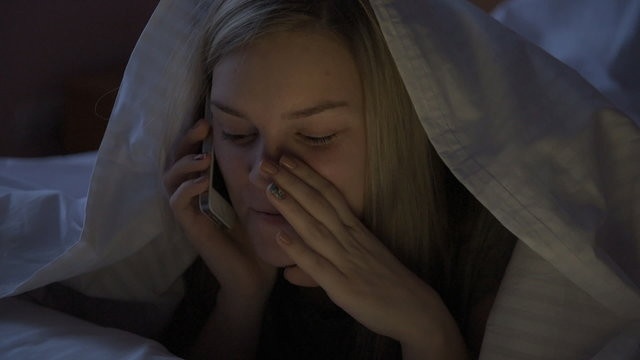
Lily knew exactly who to call: her best friend Ava, a self-proclaimed “lock-picking prodigy” who’d once opened her dad’s safe just to prove she could. Ava answered on the first ring, her voice bright with excitement when Lily explained the plan. “A mystery shed? Count me in,” she said. The next evening, they snuck back to Grandma’s house, their backpacks stuffed with bobby pins, a small screwdriver, and a flashlight. The moon was a thin sliver in the sky, casting long shadows across the overgrown backyard. Lily’s hands trembled as she approached the shed, the wood splintering under her touch. Ava squeezed her shoulder. “Relax,” she whispered. “This’ll be easier than opening my little brother’s piggy bank.”

Ava knelt in front of the lock, her nimble fingers working the bobby pin into the keyhole. For a minute, there was only the sound of crickets chirping and the distant hoot of an owl. Then, with a soft click, the lock popped open. Lily’s heart skipped a beat. She reached for the door handle, her palm slick with sweat, and pulled. The door creaked open slowly, releasing a cloud of dust that made her cough. She fumbled for the flashlight in her backpack, switching it on. The beam cut through the darkness, and for a moment, she couldn’t process what she saw. Rows and rows of wooden shelves lined the walls, each one filled with… dolls. Not the pretty, store-bought kind, but rough, hand-carved figures with painted faces and tattered clothing.

Lily stepped inside, her boots crunching on a floor covered in sawdust and wood shavings. The dolls were everywhere: perched on shelves, stacked in boxes, even sitting on a small wooden chair in the corner. Each one was unique, with different hair colors, different expressions, some smiling, some frowning, some with tears painted on their cheeks. Ava followed her in, her eyes wide. “What the hell?” she whispered. Lily picked up a small doll with curly red hair and a blue dress. The paint was chipped, but the details were incredible—Grandma had even carved tiny freckles across its nose. “Grandma made these?” she said, her voice barely audible. It made no sense. She’d never known her grandmother to be artistic, let alone obsessed with dolls.
As Lily shone the flashlight around the shed, she noticed something else: a leather-bound journal sitting on a rickety wooden desk in the back. The cover was cracked, its pages yellowed with age. She walked over and picked it up, her fingers brushing the embossed initials “M.M.” on the front. She opened it to the first page, and Grandma’s neat, looping handwriting filled her vision. “1952. The war is over, but the ghosts won’t leave. I found her huddled in the ruins of her house, her parents gone, her doll broken beyond repair. I told her I’d make her a new one, something no one could ever take away.” Lily’s breath caught. The war? Grandma had never talked about the war. She’d been a child in England during World War II, but she’d always said she didn’t remember much.

Lily flipped through the journal, her eyes scanning the pages. Each entry was accompanied by a sketch of a doll, along with a name and a short story. There was Clara, a 7-year-old girl who’d lost her leg in a bombing and loved to sing. There was Thomas, a 10-year-old boy who’d hidden in a basement for six months and dreamed of becoming a sailor. There was Anna, a baby who’d been found alone in a train station, her blanket wrapped around her tiny body. Grandma had made a doll for each of them, a tangible piece of hope in a world that had taken so much. “I couldn’t save them all,” one entry read. “But I could give them something to hold onto. Something that would never break.”
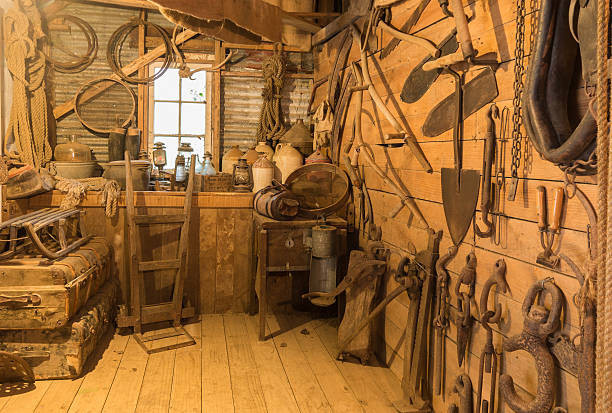
Tears blurred Lily’s eyes as she read on. She’d always thought of Grandma as a simple woman, content with her garden and her cookies. But now she saw the depth of her pain, the weight of the secrets she’d carried for decades. During the war, Grandma had volunteered at a refugee camp, caring for children who’d lost everything. When the camp closed, she’d kept making dolls, not just for the children she’d known, but for every child she’d heard about in the news—children in Vietnam, in Bosnia, in Syria. “They all deserve to be remembered,” she’d written. “They all deserve to have something that’s theirs.” Lily looked around at the dolls, each one a testament to Grandma’s quiet, unspoken compassion.
Ava, who’d been flipping through a box of doll clothes, looked up at Lily’s tears. “Hey,” she said softly, putting a hand on her shoulder. “Are you okay?” Lily nodded, wiping her eyes with the back of her hand. “I just… I had no idea,” she said. “Grandma was so quiet about everything. I never knew she’d done something like this.” Ava picked up a doll with a missing arm, its face still smiling. “She didn’t do it for praise,” she said. “She did it because she cared. That’s the kind of person she was.” Lily thought about all the cookies Grandma had baked, all the hugs she’d given, all the times she’d listened when Lily was sad. It all made sense now. Grandma’s kindness wasn’t just a habit—it was a way of carrying the world’s pain, one doll at a time.
As Lily continued to read the journal, she came to an entry dated just a few months before Grandma’s death. “My hands are starting to shake, and my eyesight isn’t what it used to be. I don’t know how many more dolls I can make. But I hope someone finds this. I hope someone knows that even the smallest acts of kindness can matter. That even when the world feels dark, there’s always a way to bring a little light.” Lily closed the journal, her heart heavy with love and grief. She’d always missed Grandma, but now she felt closer to her than ever before. She understood why the shed had been locked: it wasn’t a secret to be hidden, but a treasure to be protected. A piece of Grandma’s soul, preserved in wood and paint.
Lily and Ava spent the next hour exploring the shed, carefully examining each doll and reading the journal entries that accompanied them. They found a box of paintbrushes, their bristles worn down from years of use, and a stack of wood planks, each one marked with a name. They found a photo of Grandma as a young woman, standing in front of a refugee camp, her arms wrapped around a group of smiling children. Lily tucked the photo into her pocket, along with the journal. She knew she couldn’t take all the dolls, but she wanted to keep something that would remind her of Grandma’s secret life. As the sun began to rise, painting the sky in shades of pink and orange, they closed the shed door, locking it back up.

When Lily got home, she sat at her desk and read the entire journal again, this time taking her time to savor each word. She learned things about Grandma she’d never known: that she’d once wanted to be a teacher, that she’d loved to dance, that she’d lost her own brother in the war. She learned that Grandma had never talked about the shed because she didn’t want anyone to pity her. She’d seen the worst of humanity, but she’d chosen to focus on the best—on the children who’d survived, on the hope that could be found in a hand-carved doll. Lily felt a new sense of purpose. She wanted to share Grandma’s story, to let the world know about the quiet hero who’d spent her life making dolls for forgotten children.

The next day, Lily called a family meeting, bringing the journal and the photo with her. Aunt Karen was skeptical at first, but when Lily started reading the journal entries, her eyes filled with tears. “Mother never told us,” she said, her voice breaking. “We had no idea she’d gone through so much.” The rest of the family listened in silence, their faces a mix of sadness and pride. Lily’s dad, who’d always been close to Grandma, reached across the table and squeezed her hand. “She was an amazing woman,” he said. “We should honor her. We should let people know what she did.” Lily nodded. That’s exactly what she planned to do.

Lily spent the next few weeks researching local museums and community centers, looking for a place to display Grandma’s dolls. She wrote a detailed proposal, including photos of the dolls and excerpts from the journal, explaining the story behind each one. To her surprise, the local history museum jumped at the chance. They’d never had an exhibit about the personal stories of war refugees, and they thought Grandma’s dolls would be a powerful way to connect visitors with the human cost of conflict. Lily worked with the museum curators to set up the exhibit, carefully arranging each doll on a shelf with its corresponding journal entry and photo.
The exhibit, titled “Dolls of Hope,” opened on a rainy Saturday in April. Lily stood at the entrance, watching as people filed in, their eyes wide with curiosity. A group of schoolchildren crowded around the first display, reading the story of Clara, the girl who’d lost her leg. “She was just like me,” a little girl with a prosthetic arm said, pointing at the doll. “Grandma made her a doll so she wouldn’t feel alone,” Lily explained. The girl smiled. “That’s nice.” An elderly man approached Lily, his voice trembling. “I was a refugee during the war,” he said. “No one ever asked about my story. But your grandmother… she cared. She really cared.” Lily hugged him, tears streaming down her face.

The exhibit was a huge success, drawing visitors from all over the state. Newspapers wrote articles about Grandma’s dolls, and local TV stations did segments on her story. Lily was interviewed by a national news network, and she used the opportunity to talk about the importance of remembering the forgotten children of war. “My grandmother didn’t have much,” she said. “But she had a heart full of love, and she used her hands to make a difference. We can all do that. We can all find small ways to bring hope to people who need it.” The interview went viral, and soon, people from all over the country were sending Lily stories of their own acts of kindness.

As the exhibit entered its second month, Lily received a letter from a woman in Germany. Her name was Elsa, and she was one of the children Grandma had cared for in the refugee camp. “I still have the doll your grandmother made me,” she wrote. “It’s sitting on my nightstand, just like it was when I was a little girl. I never forgot her kindness. She gave me something to hold onto when I had nothing else.” Lily wrote back to Elsa, telling her about the exhibit and how much Grandma had loved her. They exchanged letters for months, and eventually, Elsa came to visit the exhibit, bringing her doll with her. When she saw the display of Grandma’s work, she broke down in tears. “She was an angel,” she said.
Lily decided to turn Grandma’s journal into a book, working with a publisher to edit and illustrate it. The book, titled The Shed of Secrets, was published a year later, and it quickly became a bestseller. Proceeds from the book were donated to organizations that helped refugee children, just as Grandma would have wanted. Lily traveled around the country, giving talks about the book and Grandma’s story, inspiring others to find their own ways to make a difference. She met teachers who started doll-making projects in their classrooms, artists who created murals of refugee children, and ordinary people who began volunteering at local shelters. Grandma’s legacy was growing, one act of kindness at a time.

Two years after Grandma’s death, Lily returned to her old house, which had been sold to a young family. She walked to the shed, which still stood in the backyard, its lock now replaced with a new one. The new owners had agreed to keep the shed intact, as a tribute to Grandma. Lily pulled out the key they’d given her and unlocked the door. The dolls were gone, now safely displayed in museums and private collections around the world, but the shed still smelled like sawdust and paint, like Grandma. She sat on the wooden chair in the corner, closing her eyes and imagining Grandma sitting there, carving a doll with a focused expression. “I miss you,” she whispered. “But I’m so proud of you.”

As Lily walked back to her car, she looked up at the sky, which was a bright, clear blue. She thought about all the people Grandma had touched, all the lives she’d changed, all the hope she’d spread. Grandma had never been a famous person, never made a lot of money, never sought attention. But she’d been a hero in her own quiet way, using her hands and her heart to make the world a better place. Lily smiled, knowing that Grandma’s story would live on, inspiring generations to come. The shed had been a mystery for so long, but now it was a symbol—of love, of compassion, of the power of small acts to change the world.







Comments
0 comment