




The Bloodless Future: Can We Teach Mosquitoes to Love Sugar?
There is no sound more universally despised than the high-pitched whine of a mosquito approaching your ear at 2 a.m. It’s the soundtrack of sleepless nights, of itchy welts, of diseases that have killed more humans than all the wars in history combined. We hate them. We swat them, spray them, burn them, drain their breeding grounds. And yet, for all our efforts, they keep coming. They adapt. They resist. They win.
But what if we didn't have to kill them? What if we could simply convince them to stop wanting our blood?
The Misunderstood Pest
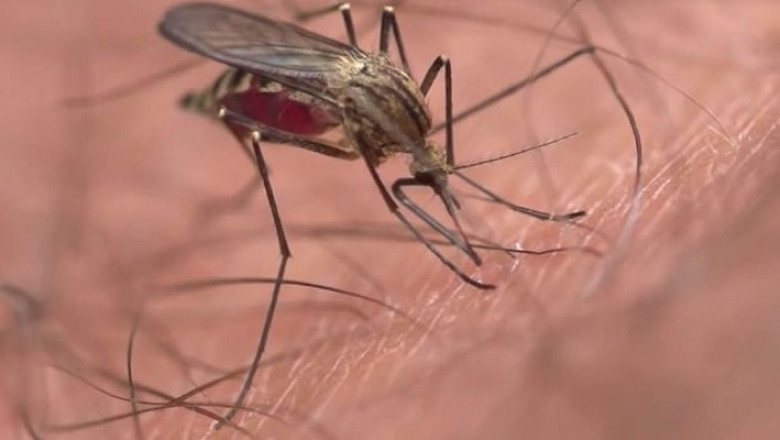
Let's start with a confession: most mosquitoes have never bitten a human. Male mosquitoes are harmless nectar lovers, flitting from flower to flower like tiny, whining bees. They spend their lives drinking sugar and looking for love. It's only the females—and only when they're pregnant, so to speak—that develop a craving for blood. That metallic taste of vertebrate life contains the proteins they need to develop their eggs. Without it, their offspring never hatch.
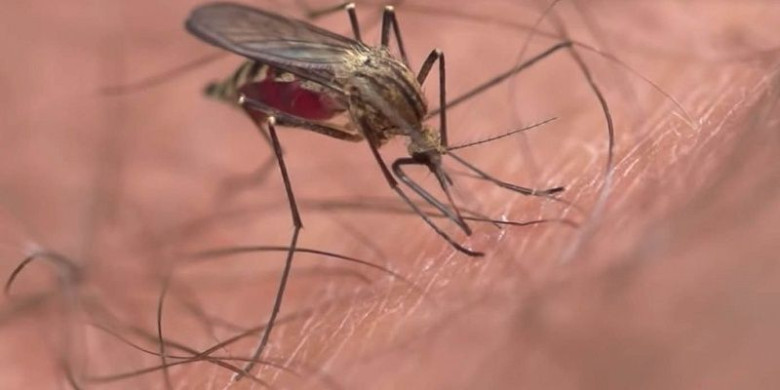
So when a female mosquito lands on your arm and sinks her proboscis into your skin, she's not being mean. She's being a mother. She's doing exactly what evolution programmed her to do: find nutrients for her babies. The itch, the disease, the annoyance—those are collateral damage in the ancient dance of reproduction.
For decades, our response to this dance has been total war. We've sprayed DDT from planes, coated our yards in chemicals, and drenched ourselves in DEET. We've drained swamps and introduced fish that eat larvae. And while these methods have saved millions of lives, they've also poisoned ecosystems, killed pollinators, and driven resistance in mosquito populations. The arms race is exhausting, and we're not winning.
The Discovery in the Lab
In 2019, a team of researchers published something strange in the journal *PLOS Biology*. They had been studying a protein called vitellogenin—a mouthful of a word that essentially means "egg yolk maker." When a female mosquito gets a blood meal, her body starts producing vitellogenins, which travel through her bloodstream and begin assembling the yolk that will nourish her developing eggs. It's the biological signal that says, "Okay, time to make babies."
But here's what they found that changed everything: there's a gene called Vg-2 that controls this process. It sits quietly in the mosquito's DNA, inactive, until she drinks blood. Then hormones surge, Vg-2 switches on, and vitellogenins flood her system. It's a toggle switch—blood in, babies on.
The researchers wondered: what if you could flip that switch without the blood? What if you could trick the mosquito into thinking she'd already fed?
The Sugar Experiment
They took female mosquitoes and split them into two groups. One group got only water. The other got sugar water—the same nectar-like food that males live on. Then they watched.
At first, both groups behaved the same: hungry for blood, eager to bite. But after a few days, something shifted. The sugar-fed mosquitoes began producing vitellogenins—not from blood, but from the sugar itself. Their bodies were responding to the sugar as if it were a blood meal. And with that protein surge came a change in behavior: they stopped caring about humans.
The researchers placed their hands into the cages. The water-fed mosquitoes descended like tiny vampires. The sugar-fed ones? They barely moved. They'd lost interest. The sugar was satisfying the same biological need that blood usually fulfilled.
The effect was strongest in young females—those that had reached sexual maturity within the previous week. Give them sugar, and they ignored humans almost entirely. Older females were harder to convince. Their craving returned, even with sugar available. But for a window of time, those young mosquitoes were essentially rehabilitated.
The Big Question
Why does sugar sometimes replace blood? The researchers aren't sure yet. It might be that the sugar triggers enough vitellogenin production to complete a partial egg development cycle, satisfying the mosquito's drive. Or it might be that young females are simply more flexible in their feeding preferences, and sugar is good enough until they age into desperation.
But the potential is huge. If we can understand why sugar works for young mosquitoes and stops working for older ones, we might be able to design a better trick. Maybe we can create an artificial sugar that permanently suppresses the blood drive. Maybe we can engineer a genetic switch that keeps Vg-2 permanently turned off, so females never crave blood at all.
A Kinder War
This approach is radically different from everything we've tried before. Instead of killing mosquitoes, we'd be rehabilitating them. Instead of poisoning the environment, we'd be offering a better alternative. It's the difference between a war of extermination and a peace treaty.
Imagine a world where mosquito traps don't zap insects but instead lure them with sugar laced with a Vg-2 activator. Females visit, drink, lose their taste for blood, and lay fewer eggs. Their populations decline naturally, without toxic chemicals. The males keep pollinating flowers. The ecosystem stays intact. And we sleep soundly, without that whine in our ears.
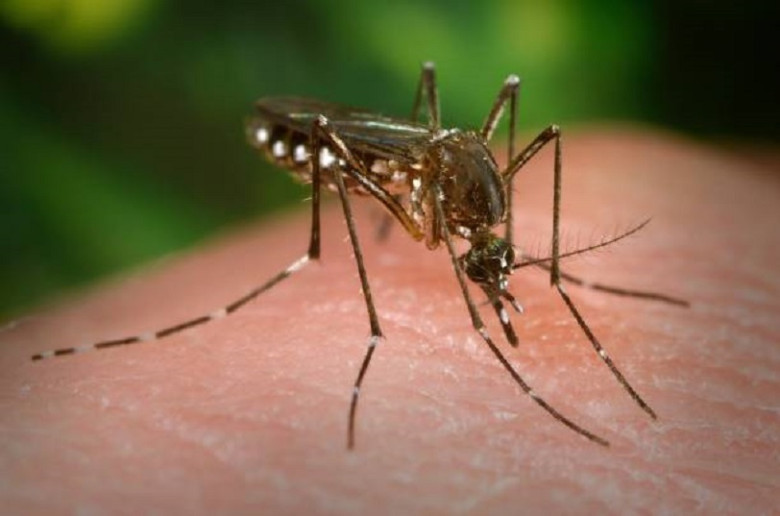
Of course, there are challenges. Not all mosquito species are the same. Some prefer birds or cattle over humans. Some are harder to fool. And we'll need to ensure that any method we develop doesn't accidentally make mosquitoes hungrier or more dangerous.
But the principle is beautiful: instead of fighting nature, we're learning to negotiate with it. Instead of killing, we're offering a deal. You don't need to bite us. Here's a better option.
The Human Side
There's something deeply satisfying about this story. It's not just about science; it's about a change in attitude. For centuries, we've treated mosquitoes as enemies to be destroyed. We've poured chemicals into the air and water, accepting the collateral damage because the enemy was so terrible. But that approach has limits, and we're hitting them.
The idea of weaning mosquitoes off blood is a reminder that we don't always have to conquer. Sometimes we can persuade. Sometimes we can find a way to coexist, not by eliminating the other, but by understanding their needs and offering a compromise.
The mosquito doesn't want to hurt us. She wants to be a mother. If we can help her be a mother without using us as a resource, everyone wins. She gets her eggs. We get our peace. And maybe, just maybe, we stop being enemies and start being neighbors.
It's a future worth fighting for—not with poisons, but with compassion and cleverness. And it starts with a simple, almost absurd question: What if we just offered them a drink of sugar?










Comments
0 comment