




The Bermuda Triangle No Longer a Threat: What Happened to a Popular Source of Maritime Myths
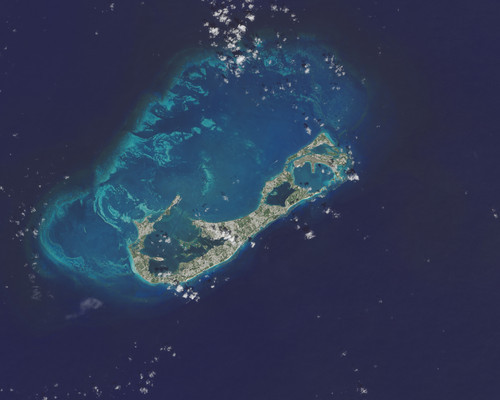
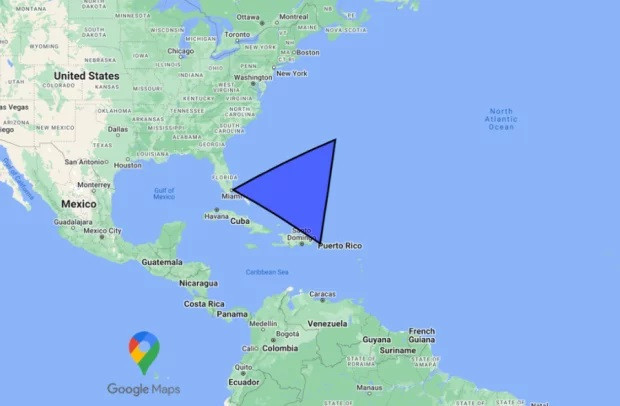
The Bermuda Triangle—an area in the western North Atlantic bounded by Miami, Bermuda, and Puerto Rico—has long stood as one of the world’s most famous maritime mysteries. For centuries, sailors and aviators have whispered about strange lights, vanishing ships, and malfunctioning instruments. Yet today, many scientists argue that the Triangle is no more dangerous than any other busy stretch of ocean. So what changed?
The legend’s roots trace back to 1492, when Christopher Columbus recorded unusual compass readings and strange lights during his voyage to the Americas. While historians suggest natural explanations—such as meteor activity or shifting magnetic variation—these early reports planted the seeds of speculation. Over time, scattered maritime incidents were retroactively folded into an emerging mythology.
The modern myth truly took shape in the 20th century. In 1974, writer Charles Berlitz published The Bermuda Triangle, a bestseller that cemented the Triangle’s reputation as a zone of paranormal chaos. Berlitz connected disappearances to Atlantis, extraterrestrials, and time warps—captivating the public imagination, even as critics pointed out factual inconsistencies in his claims.
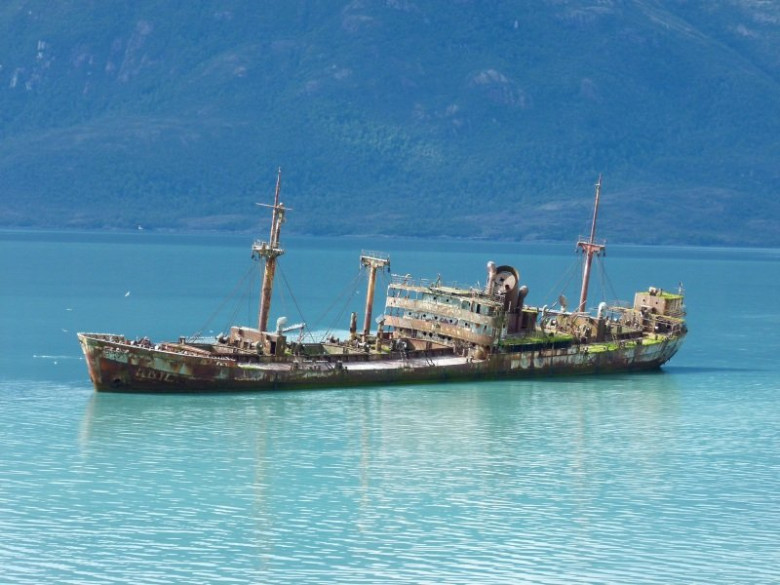
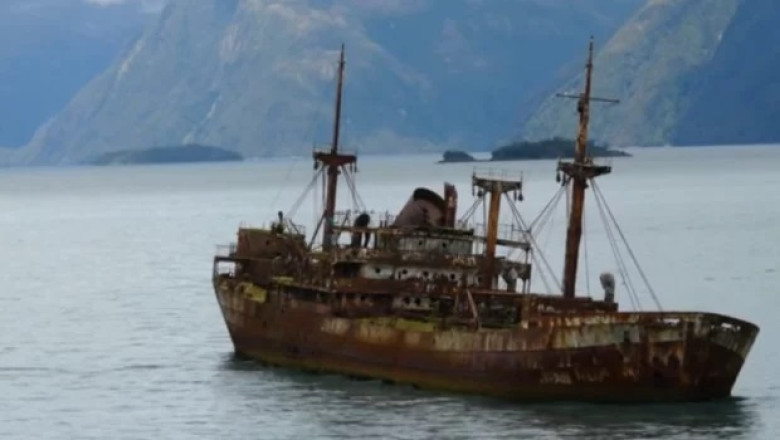
One of the most frequently cited cases is the disappearance of the USS Cyclops in 1918. The massive U.S. Navy cargo vessel vanished with 306 crew members while sailing from Barbados to Baltimore. No distress signal was recorded, and no wreckage was ever conclusively identified. While storms or structural failure remain plausible explanations, the absence of definitive evidence fueled decades of speculation.
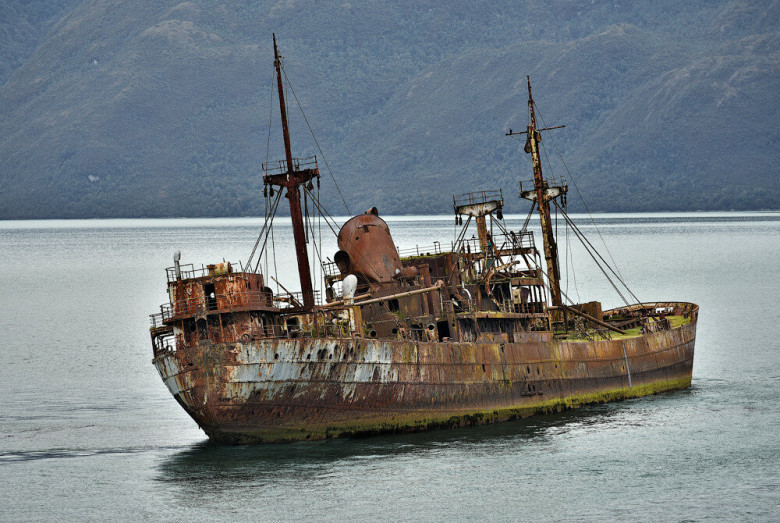
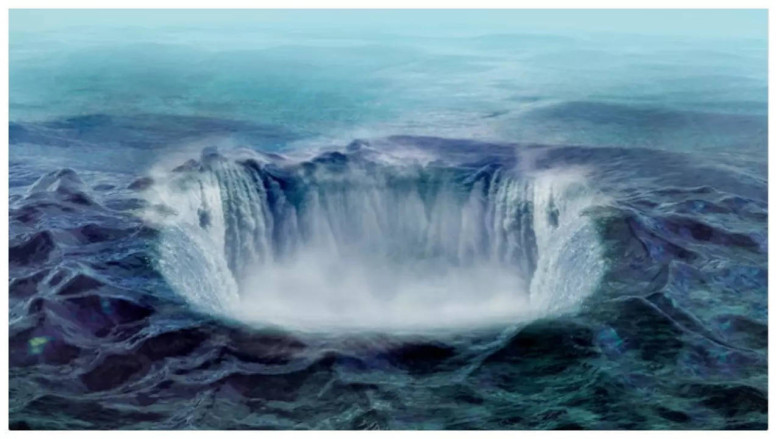
In recent years, researchers have explored a more grounded possibility: methane gas eruptions from the ocean floor. Methane hydrates—ice-like structures trapping methane within seafloor sediments—exist in various continental margins worldwide. Under certain geological conditions, destabilization could release enormous volumes of gas in a short time.
For a scientific overview of methane hydrates and their properties, see the U.S. Geological Survey:
https://www.usgs.gov/energy-and-minerals/gas-hydrates
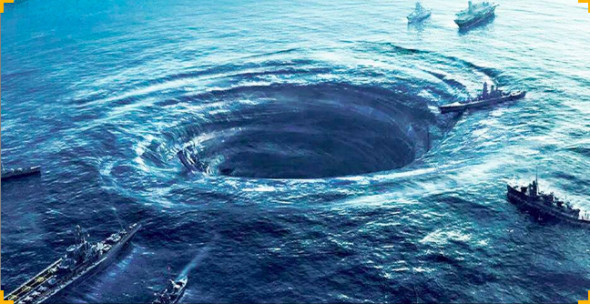
When methane bubbles rapidly saturate seawater, the water’s density can decrease. A vessel caught in such a plume could theoretically lose buoyancy and sink quickly. Laboratory experiments have demonstrated that highly aerated water reduces flotation. However, scientists note that proving such a large-scale eruption in the Bermuda region during historical incidents remains difficult.
The National Oceanic and Atmospheric Administration provides background on methane hydrates and ocean processes:
https://oceanservice.noaa.gov/facts/methane-hydrates.html
In the end, the Triangle’s greatest mystery may not be vanished ships, but how easily imagination can transform ordinary risk into extraordinary legend.









Comments
0 comment